10 Best Things To Do In Tavira
Key Information About Tavira, Portugal
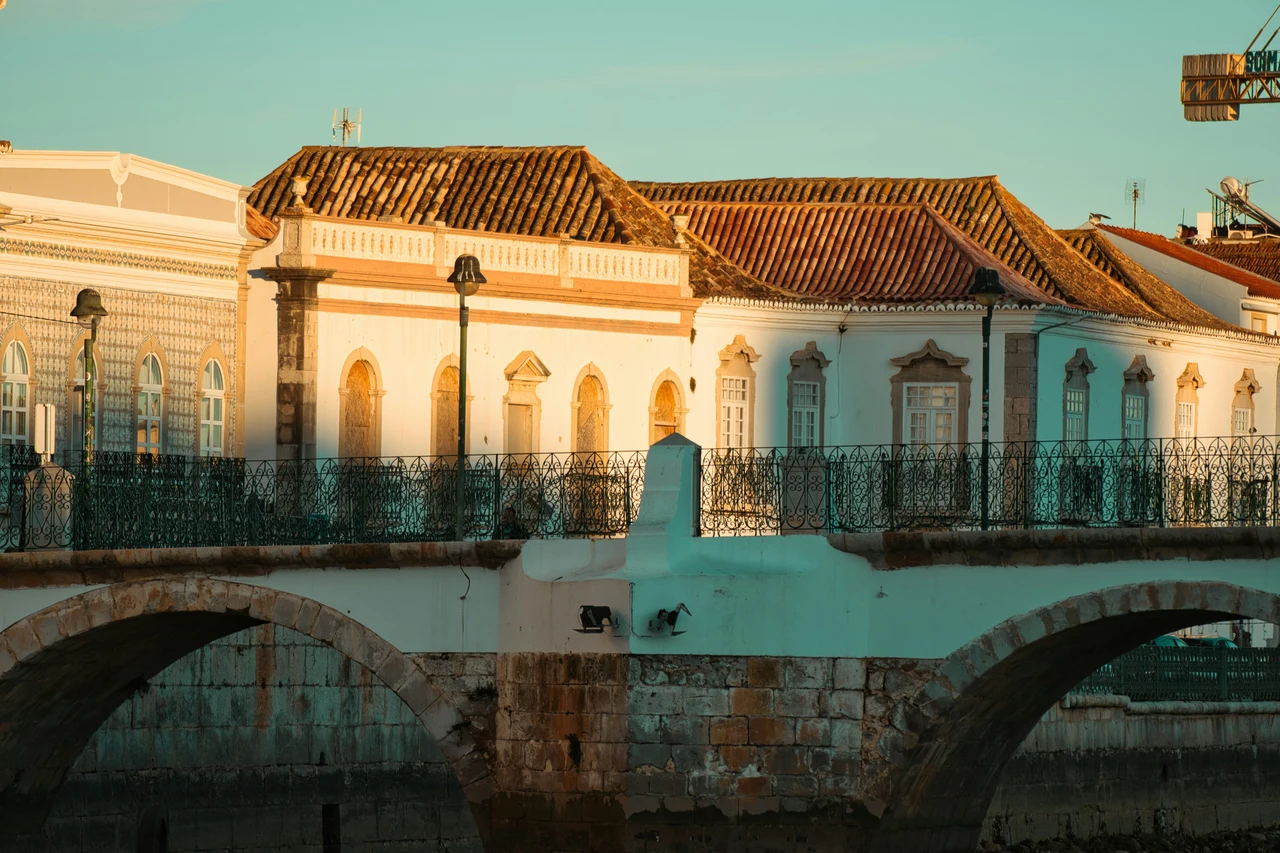
Tavira is often regarded as one of the most architecturally distinct and charming cities in the Algarve, defined by its riverfront elegance and deep historical roots. Unlike the region’s busier resort towns, this destination offers a slower pace where visitors can explore Roman and Moorish heritage alongside the pristine nature of the Ria Formosa. This guide highlights the top 10 things to do in Tavira, focusing on the specific landmarks, island beaches, and cultural experiences that define the area. For more in-depth travel guidance, including where to stay and eat, check out our full Tavira City Guide.
Quick Facts About Tavira
- Location: Southern Portugal, Eastern Algarve Region
- Best Time to Visit: May to June and September to October for pleasant weather and fewer crowds
- Nearest Airport: Faro Airport (FAO), approximately 40 km west
- How to Get There: Direct trains and buses run from Faro; car rentals and taxis are readily available
- Currency: Euro (€)
Best Things to Do in Tavira, Portugal
Ilha de Tavira (Tavira Island)
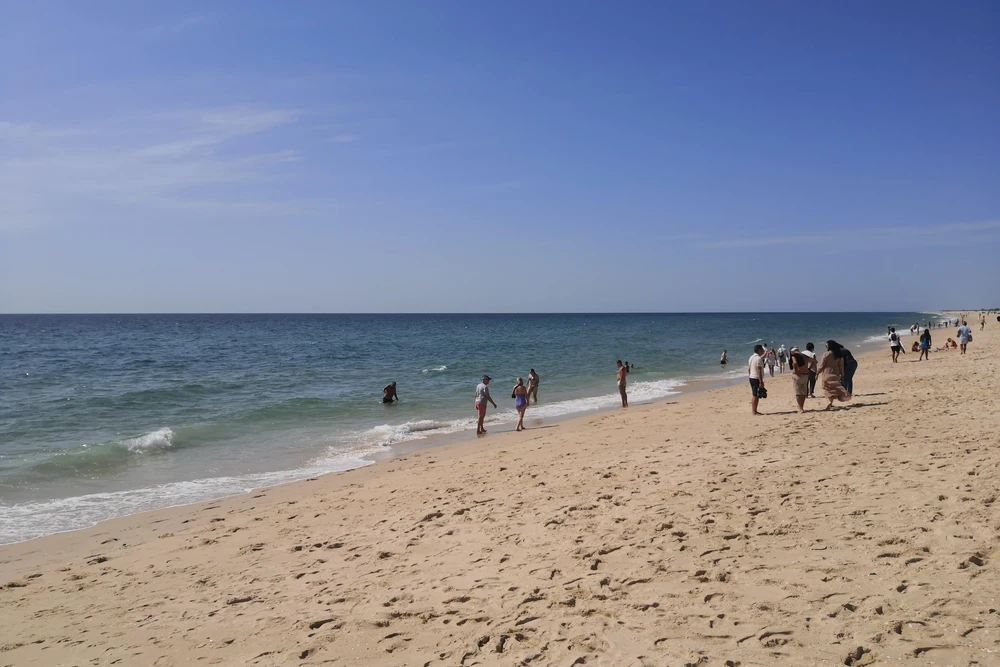
Accessed via a short ferry ride through the Ria Formosa lagoon, Ilha de Tavira acts as the city's main beach destination. This barrier island offers a vast, unspoiled stretch of golden sand and calm turquoise waters that feel distinctly different from the rocky coves of the western Algarve. Visitors can spend the day swimming, sunbathing, or walking for kilometers along the clean shoreline to find secluded spots away from the main ferry dock. The island remains largely undeveloped, maintaining a focus on natural beauty with just enough amenities to keep a day trip comfortable.
- Location: A barrier island south of the city, accessible by ferry from the town center or Quatro Águas
- What to do: Swim in calm waters, sunbathe on golden sands, and walk along the dunes
- Who it’s best for: Families, beach lovers, and nature enthusiasts
- When to go: Ferries run year-round, but summer offers the most frequent service and best beach weather
- Need-to-know: There is a campsite and a few restaurants on the island; the last ferry back varies by season
Castelo de Tavira (Tavira Castle)
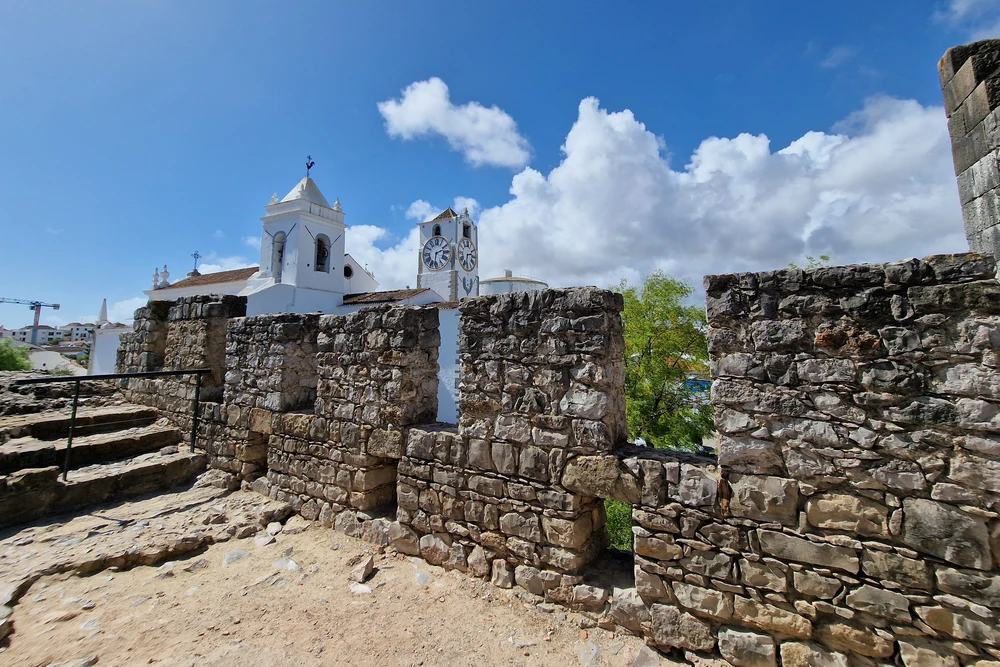
The ruins of this Moorish fortress sit at the highest point of the Old Town, providing the best panoramic views over the city’s rooftops and the Gilão River. Although much of the structure was damaged in the 1755 earthquake, the remaining walls and towers frame a beautifully maintained interior garden that offers a peaceful escape from the streets below. Climbing the ramparts allows for excellent photography of the surrounding churches and the distant sea. It serves as a tangible link to the city’s medieval defense system and strategic importance.
- Location: High point of the Old Town (Santa Maria parish)
- What to do: Walk the ramparts for panoramic views and explore the interior garden
- Who it’s best for: Photographers, history buffs, and sightseers
- When to go: Open daily during daylight hours; sunset offers particularly good light
- Need-to-know: Entry is generally free; the terrain inside involves some steps and uneven ground
Ponte Antiga de Tavira (Old Bridge)
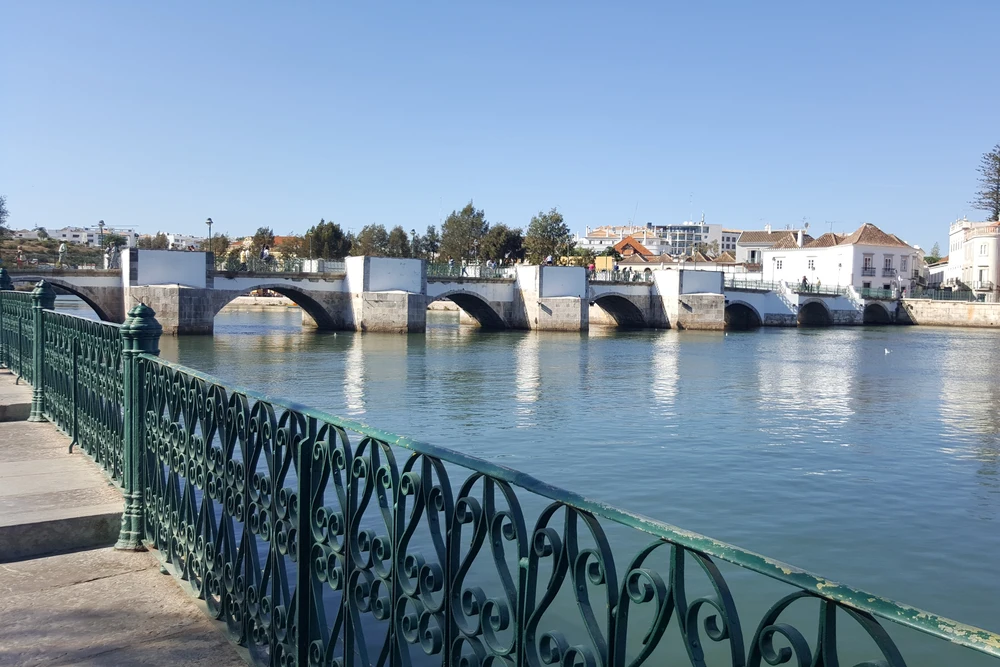
This seven-arched stone bridge is the visual centerpiece of the city, connecting the historic south bank to the quieter north bank over the Gilão River. While often called the "Roman Bridge," historical analysis suggests it was likely constructed during the Moorish period and rebuilt in the 17th century. It is now pedestrian-only, making it a perfect spot to pause and watch the tide change or observe the small fishing boats below. Crossing this bridge is an essential part of navigating the city and links the main square to the residential districts.
- Location: Spans the Gilão River, connecting Praça da República to the north bank
- What to do: Cross on foot to enjoy river views and access both sides of the city
- Who it’s best for: All travelers, especially those exploring on foot
- When to go: beautiful at any time, but evening light reflects nicely on the water
- Need-to-know: The bridge is cobblestoned and pedestrian-only; benches are available for sitting
Camera Obscura - Tavira EYE
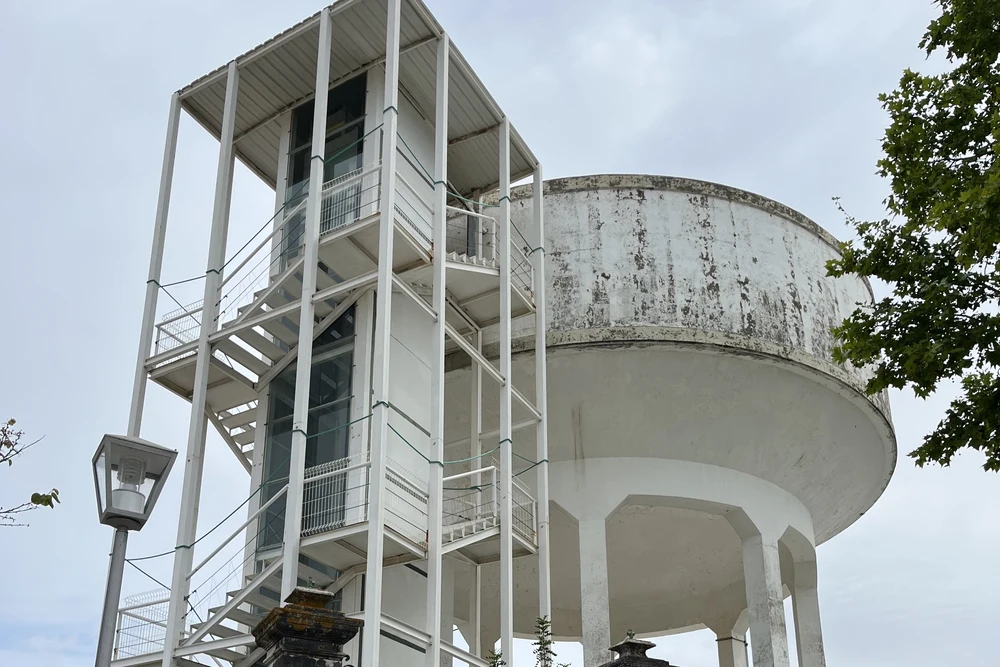
Housed in a converted water tower near the castle, the Camera Obscura provides a unique, real-time look at the city through a system of lenses and mirrors. A guide operates the mechanism in a dark room, projecting a live 360-degree moving image of Tavira onto a large concave table. The experience is highly interactive, as the guide zooms in on specific landmarks, pedestrians, and traffic while explaining the local history and architecture. It offers a fascinating perspective on the town’s layout that you cannot get from street level.
- Location: Near the Castelo de Tavira water tower
- What to do: Watch a live projection tour of the city and learn about local landmarks
- Who it’s best for: Families, curious travelers, and those interested in optics
- When to go: Open daily, though sessions may depend on cloud cover and brightness
- Need-to-know: Presentations are typically run in multiple languages; there is an entry fee
Fado com História
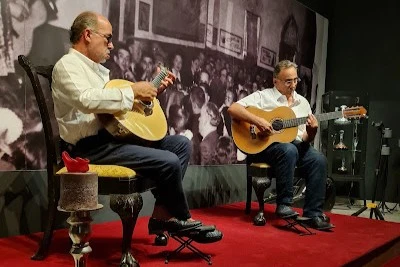
This venue offers an accessible and educational entry point into Fado, Portugal’s most famous and soulful musical tradition. Located in a historic building, the experience combines a live performance with a video presentation that explains the history and lyrical meaning of the genre. Unlike a typical dinner-and-show setup, this is a dedicated auditorium environment focused entirely on the music and its cultural context. It allows visitors to connect emotionally with the "saudade" (longing) expressed in the songs without needing to speak Portuguese.
- Location: Near the Misericórdia Church in the historic center
- What to do: Watch a live Fado performance and learn the history of the genre
- Who it’s best for: Culture seekers and music lovers
- When to go: Daily shows are usually scheduled in the late morning or afternoon
- Need-to-know: Shows are roughly 45 minutes long; buying tickets in advance is recommended due to limited seating
Igreja de Santa Maria do Castelo
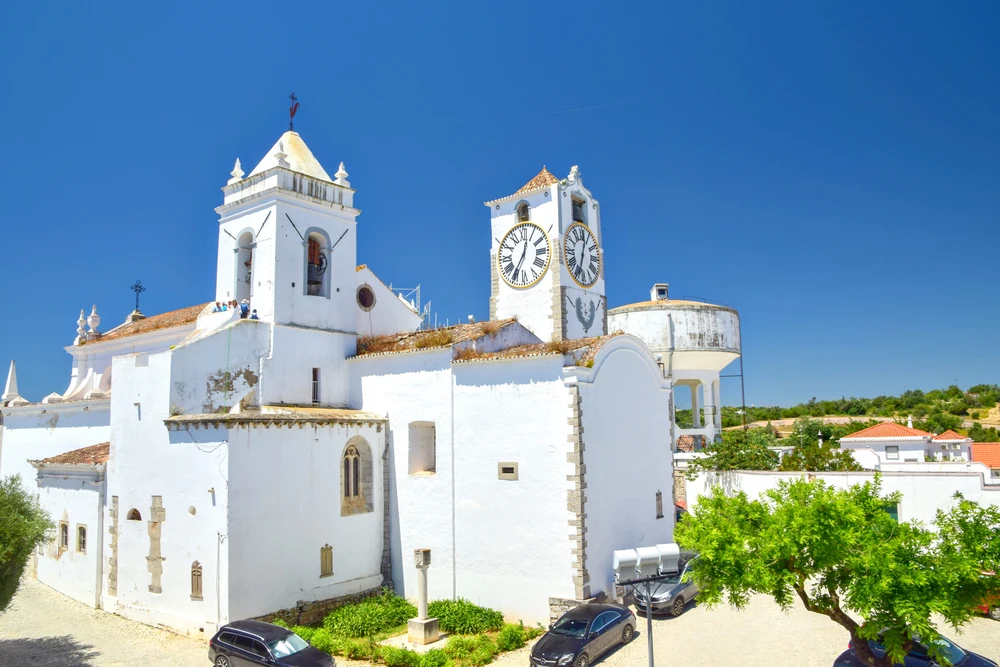
Standing on the site of a former mosque next to the castle, this is Tavira's primary church and a key historical landmark. The building features a distinct clock tower that was originally a minaret, preserving a piece of the city's Islamic past within a Christian structure. Inside, visitors can view the tombs of Dom Paio Peres Correia and the seven knights who died during the reconquest of the city from the Moors. The architecture blends Gothic and Neoclassical elements, largely due to reconstruction efforts after the 1755 earthquake.
- Location: Largo Abu-Otmane, right next to the castle
- What to do: View the clock tower, the Gothic portal, and the knights' tombs inside
- Who it’s best for: History enthusiasts and architecture fans
- When to go: Open daily for visits, except during mass times
- Need-to-know: Modest dress is required (shoulders and knees covered); a small fee may apply for the tower climb
Jardim do Coreto (Bandstand Garden)
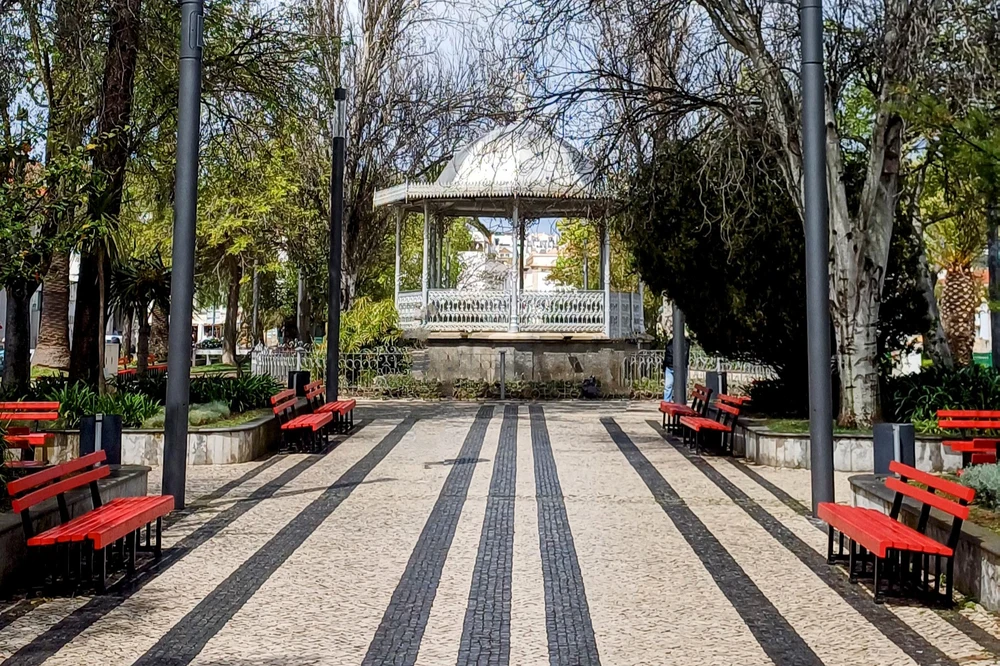
The Jardim do Coreto is the oldest public garden in Tavira and serves as a shady, relaxing hub right on the riverfront. The park is anchored by a traditional iron bandstand and surrounded by palm trees and benches, making it a favorite spot for locals to socialize and play games. It connects the Roman Bridge to the municipal market area, offering a pleasant, green corridor for walking along the Gilão River. During festivals and holidays, this area often hosts craft markets and live entertainment.
- Location: Riverside, adjacent to Praça da República
- What to do: Relax on a bench, enjoy the shade, and watch the river
- Who it’s best for: Anyone needing a break from sightseeing
- When to go: Great for a midday break or evening stroll
- Need-to-know: Free to enter; public restrooms are located nearby
Tuna Fishing Museum Center (Centro Interpretativo da Pesca do Atum)
Located in the restored Arraial Ferreira Neto, this museum documents the rise and fall of the tuna fishing industry that was once vital to Tavira’s economy. The exhibits explain the complex "armação" trap system and showcase the daily lives of the fishing communities through artifacts, model boats, and photographs. It provides a sobering and informative look at the maritime culture of the Algarve beyond the typical tourist beaches. The setting itself, a former fishing camp, adds significant atmosphere to the visit.
- Location: Vila Galé Albacora hotel grounds (formerly the fishing camp), near the mouth of the river
- What to do: Learn about the history of tuna fishing and the "armação" technique
- Who it’s best for: History buffs and those interested in maritime culture
- When to go: Check current opening times as they can vary by season
- Need-to-know: Accessible by car or the tourist train; a small entry fee applies
Explore the Old Town
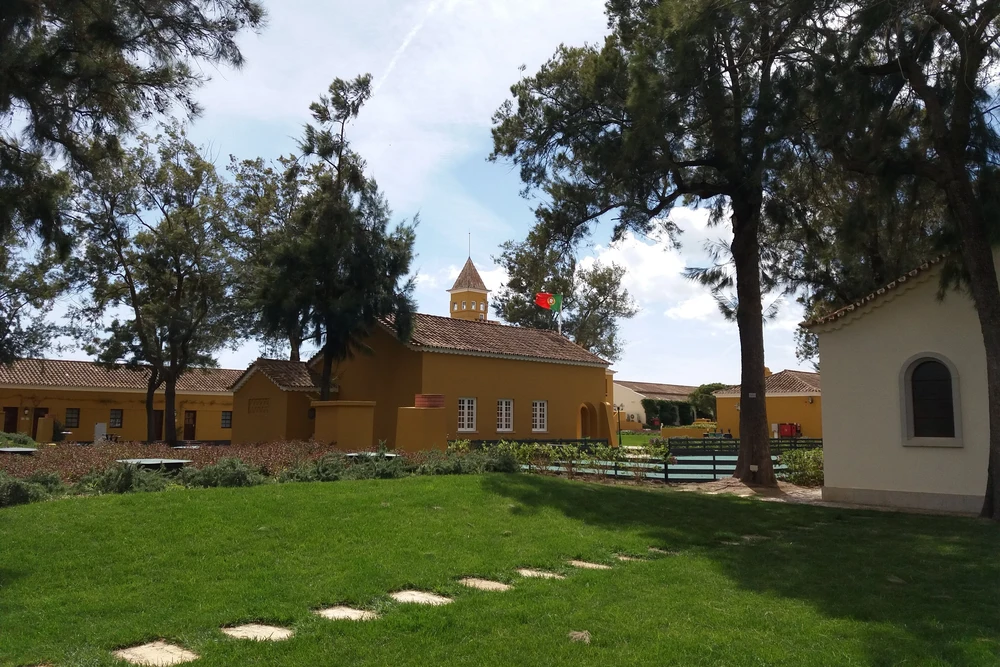
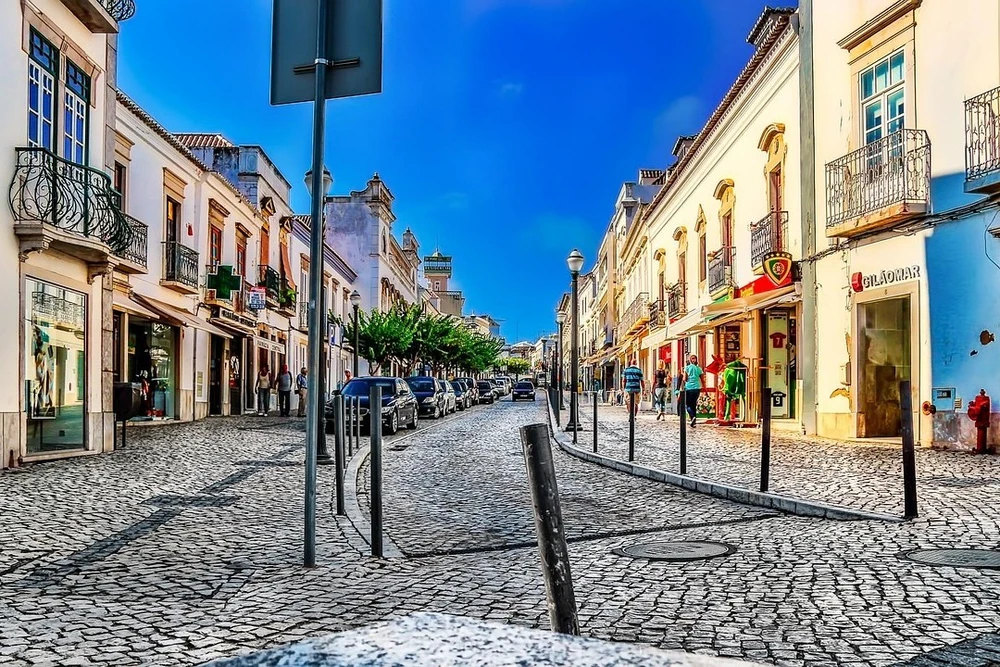
The south bank of the river comprises the historic core of Tavira, a labyrinth of cobblestone streets perfect for aimless wandering. This area is packed with traditional tiled houses, small plazas, and hidden architectural details that reveal the city's wealthy merchant past. Walking here connects you to the major sites like the Praça da República and the library, but the real joy is finding the quiet backstreets lined with flowers and local cafes. It is the best way to absorb the "Venice of the Algarve" atmosphere without a set itinerary.
- Location: South bank of the Gilão River, extending up to the castle
- What to do: Wander the cobbled lanes, photograph tiled facades, and find hidden squares
- Who it’s best for: Walkers and those who appreciate traditional architecture
- When to go: Early morning or late afternoon for the best light and temperatures
- Need-to-know: The ground is uneven cobblestone, so comfortable walking shoes are essential
Mercado Municipal de Tavira
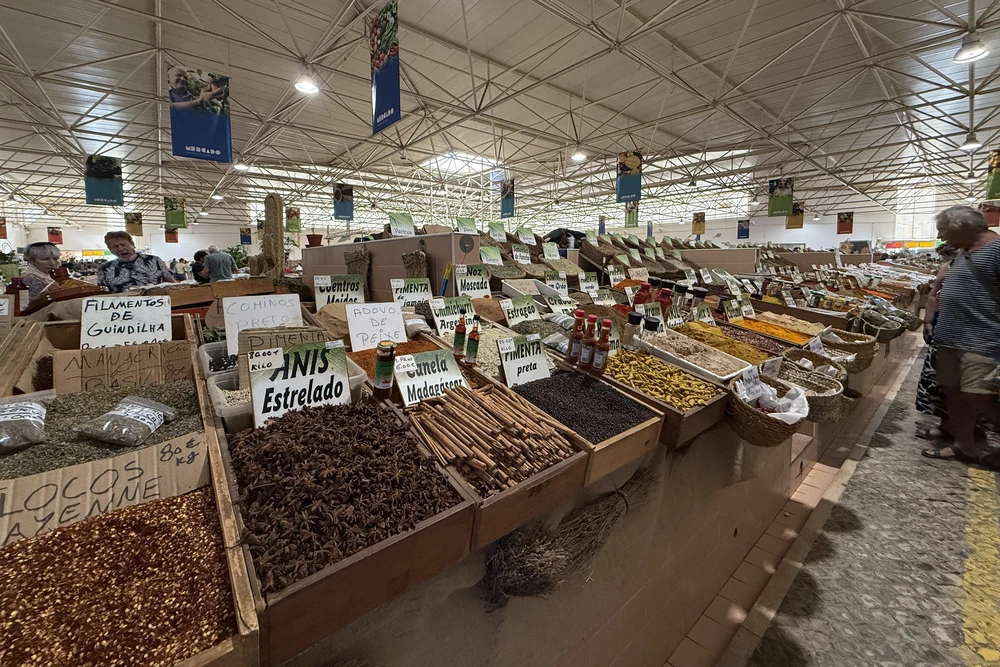
For a taste of authentic daily life, a visit to the municipal market on the edge of town offers a vibrant display of regional produce. The large indoor hall is divided into sections, with fresh fish and seafood caught locally dominating the wet market, while the upper level features farmers selling fruits, vegetables, honey, and almonds. It is the best place to see the ingredients that drive the local gastronomy and to pick up fresh snacks for a beach picnic. The energy here is local and functional, rather than touristed.
- Location: Avenida Don Manuel I, east of the town center
- What to do: Browse fresh fish stalls and buy local fruit, honey, and cheese
- Who it’s best for: Foodies and self-caterers
- When to go: Mornings (Monday to Saturday); the earlier the better for fresh fish
- Need-to-know: Most vendors accept cash only; the market closes by early afternoon
Your Guide to the 10 Best Things to Do in Tavira
This guide to the Top 10 Best Things to Do in Tavira highlights the city’s most worthwhile experiences - each selected for its local value, popularity, or unique appeal. Whether you're planning a short visit or a longer stay, this list helps you focus on the activities that define the area. For a broader look at the city, including neighborhoods, transport, and more travel advice, visit the full Tavira City Guide.
About the Author
Related Posts
Explore Tavira
Discover the best restaurants, bars, activities, and more in our complete city guide.
View Tavira Guide